
By Carolyn Daly
Last year, during our annual evaluation and planning with our health program team, I had what I thought was a great idea.
The team shared that logistics were a challenge. Because of the distance between communities, community dynamics, and other factors, our team was forced to repeat each workshop at every partner community. And last-minute scheduling changes, torrential rains, and landslides made completing every workshop a logistical nightmare.
“What if we create videos instead of having in-person workshops?” I asked.
The staff could tell that I was excited by my own idea. We had started creating videos in 2020 when COVID made in-person workshops impossible. The local news stations aired them and our team got really good at making high quality and informative videos that drew people in.
As I tend to do when I’m excited, I listed all the reasons that made my idea really great.
“Videos will mean that you only have to do the presentation once and you can share it with the community leaders via WhatsApp. Then we could follow up with them afterward to ask if they had any questions about the content. It would save so much time. And it would be so much more efficient and help us as we scale up to reach more communities.”
The team looked at each other. No one wanted to say anything but it was clear from their looks that they had a lot of thoughts about my ‘great’ idea. Finally, Isabel shifted in her seat and said:
“Yeah, Carolina, that is a great idea. We just worry that the workshops won’t be as effective as if they were in person. Gathering people together changes the dynamic and we think we would lose an important piece if we just do videos.”
I didn’t hide my disappointment well as I sighed and thought about what Isabel said. Lucy, our Country Director, jumped in:
“Every school has four workshops a year, right? What if we did two in-person and two by video? Then we could evaluate whether the video presentations worked and next year we could transition to all videos if it works well.”
I was happy with the compromise and convinced that the team would thank me for saving them time. I also knew that it could be attractive to potential funders to create this pilot and explain how much easier it would be to scale the work using technology.
But, there was a lot that I hadn’t anticipated when I made my suggestion.
I knew all the participants had WhatsApp but I failed to calculate how difficult it would be for them to actually receive and watch the videos on their phones. In rural Guatemala, most people use pre-paid phones, so they would need to buy internet to download the videos. And the download speeds are glacial and intermittent at best.
Then there were the cultural components. People were not accustomed to watching educational content on their phones. They didn’t have a safe space to share with other women, ask questions to deepen understanding, or carve the time out of their days intentionally for the workshop. They weren’t building trust with our team through connection and a sense of togetherness with their group in their communities.
So, when we compared post-test data, the difference was clear. For the questions related to the content on the videos, responses showed that the majority of participants did not learn the information. On the other hand, for those questions related to the in-person workshops, most did improve their knowledge.
I was wrong. The team was right.
Boy, it would have been nice if the videos had worked. Why? Not because I love technology or wanted to be right. But because it seemed like it could have done so much good.
It represented everything the nonprofit world rewards.
Efficiency.
Innovation.
Scalability.
An exciting pilot program.
It checked all the boxes.
Except…it didn’t actually work for the people it was supposed to serve.
It took me a while to realize that the videos hadn’t just revealed something about technology. They had revealed something about me. I had absorbed an idea from my culture without questioning it. That more is always better.
And I’m not the only one. Donors ask what new program we have in the works. Board members ask where we will expand next. Potential funders ask how we will scale our impact while maintaining sustainability.
While these are important questions, I realized I had forgotten to ask: what would it take to continue to do this exceptionally well for the next 20 years?
Over time, I’ve noticed that when we finish workshops or graduations, my mind is often racing wondering, “What’s next?” but my Guatemalan colleagues ask other questions.
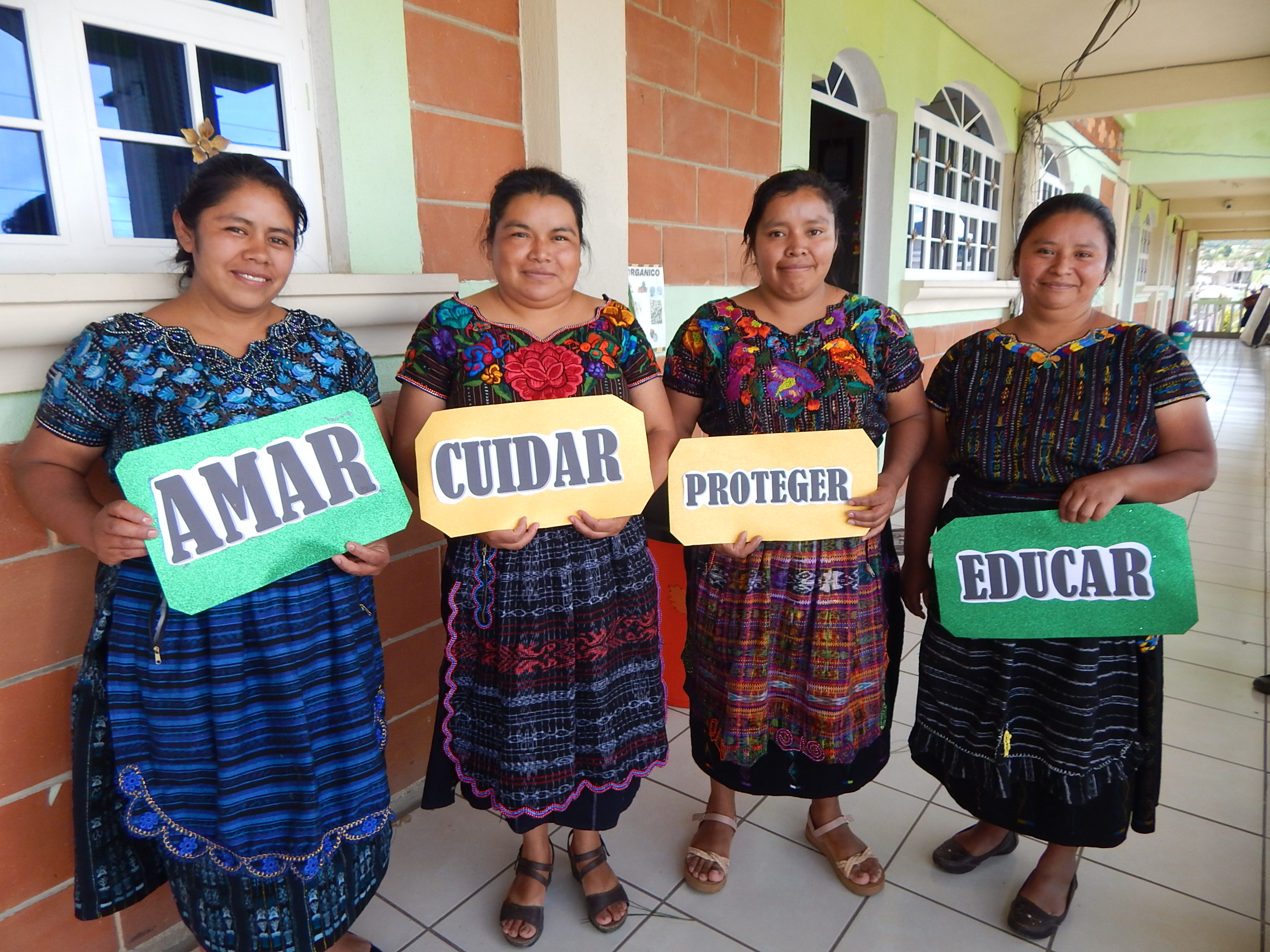
They wonder if Marta needs a travel stipend in order to afford coming to the workshops. Or if Rosa is still having trouble at home with her mother-in-law who is making it hard for her to attend consistently. Or how they can support Lola after the death of her husband.
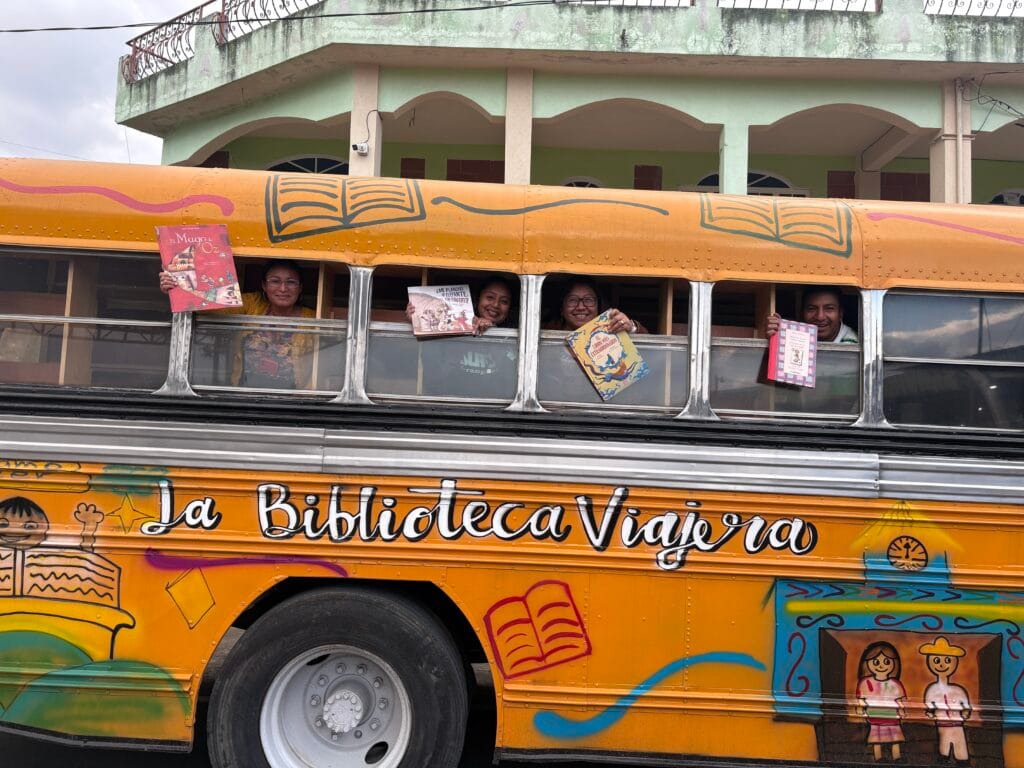
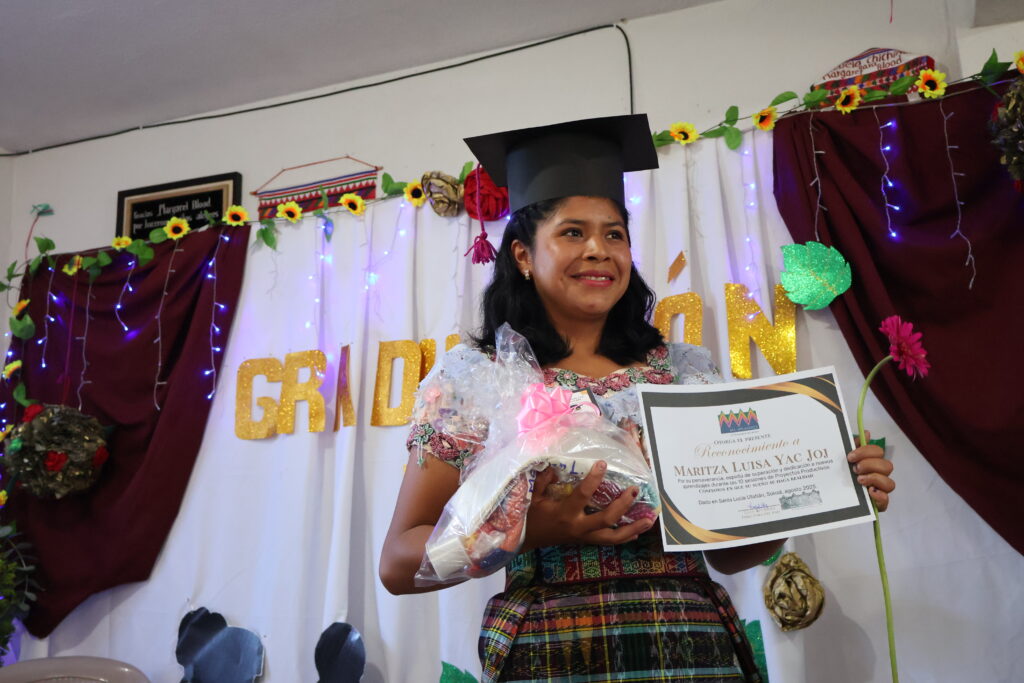
And they are much closer to the impact. My colleagues don’t need a report to know the work matters. They see it in the child whose eyes light up the first time she gets to choose her own book from our traveling library. They see it in the mother who cries while they place her first ever graduation cap on her head after finishing our maternal and child wellness course. They see it when a new Community Coordinator is hired and they reassure her that, just like them, she can do it.
For them, it is easy to recognize that this work is already enough.
From thousands of miles away, it’s much harder to see those moments. Growth becomes easier to measure than trust. Expansion becomes easier to celebrate than depth. Maybe that’s why we keep asking organizations, “What’s next?” instead of asking, “How are the communities you’ve already committed to doing?”
I still believe organizations should grow when growth serves communities. But I’ve stopped believing that growth is the default measure of success.
We don’t plan to expand the use of videos next year. Some may see that as a failed experiment. But I think we learned so much about what success actually means.
Sometimes success is having the wisdom to recognize that what you’ve built is already changing lives and choosing to do that work extraordinarily well.
So what is ‘enough’? Maybe the real work is recognizing that it already is.