
By Carolyn Daly
Recently, in one of my weekly frantic searches for new grant opportunities, I stumbled across one that seemed like a good fit for Nuya’. They even provided funding for capacity building. Yes! I thought. This could be the one. This could help fund strategic planning for our leadership transition.
Then I started to complete the “eligibility questionnaire.” Yikes. It said something like: we grant funds for new programs, program expansion, and pilot programs. Oh, and we only consider applications between $15,000 and $20,000. One more thing. We want you to prove sustainability of these programs after one year of funding. What?
They want the outcomes of organizational evolution without funding the work required to achieve it, I thought. The funder wanted evidence that a program would continue after their funding ended, yet the very things that make long-term sustainability possible were not things the grant was designed to support.
In the 15 years I’ve worked in international development, I’ve seen a significant shift toward ideas like proximate leadership, trust-based philanthropy, and community-led development. We are finally having important conversations about power, representation, and who should be making decisions. This is a step in the right direction.
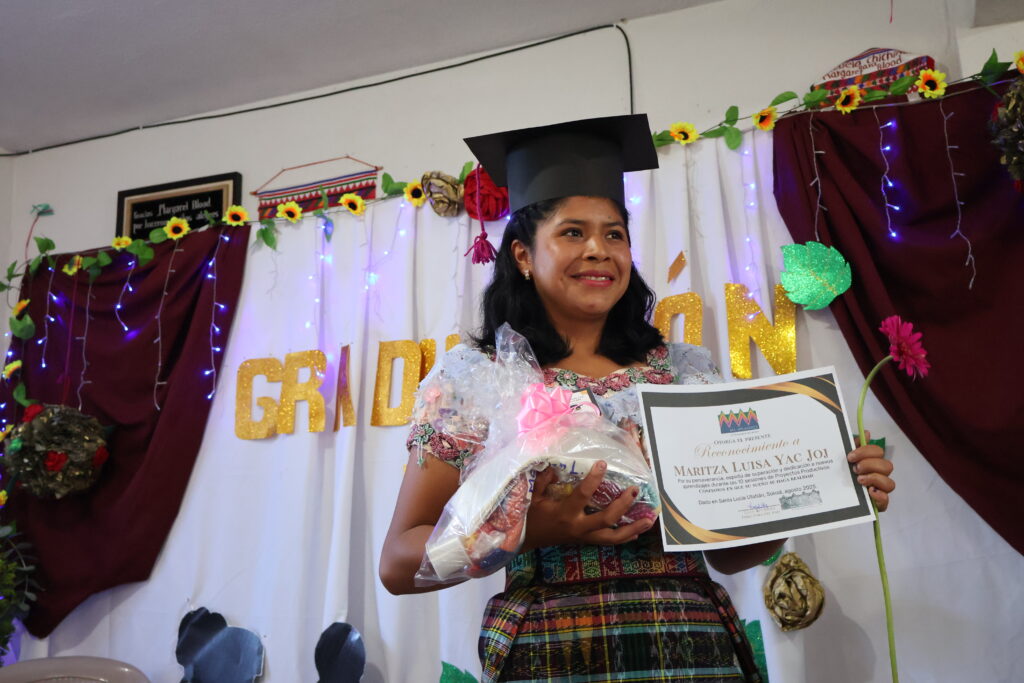
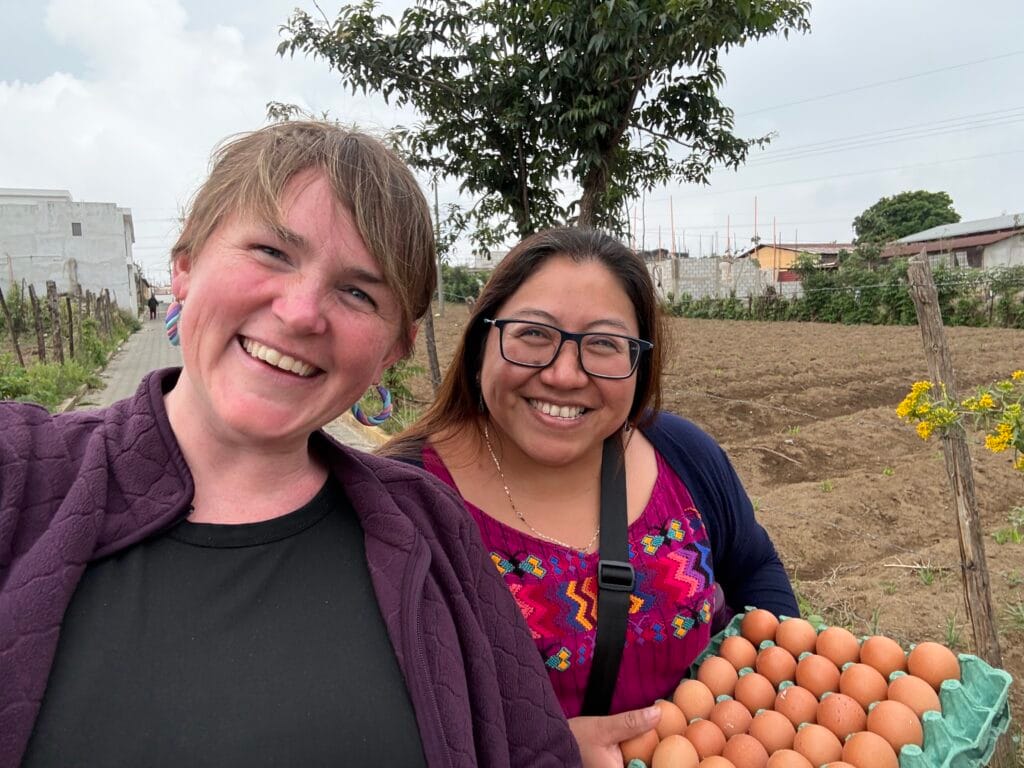
For years at Nuya’ we saw women demonstrating leadership as program participants. They would walk to their children’s schools at 4 AM to make and serve healthy breakfasts before the first lesson was taught. They would volunteer to lead fluoride clinics and learn to weigh and measure babies. It became so clear that these women were the reason that our programs were successful. We needed to hire them.
We started with two. They were called Community Coordinators and they received the first paycheck of their lives. They took their roles seriously. We quickly learned that training them wasn’t the most difficult part. They had different ideas about how to lead, different life experiences, and we had to get out of our own way to listen to them and let them lead.
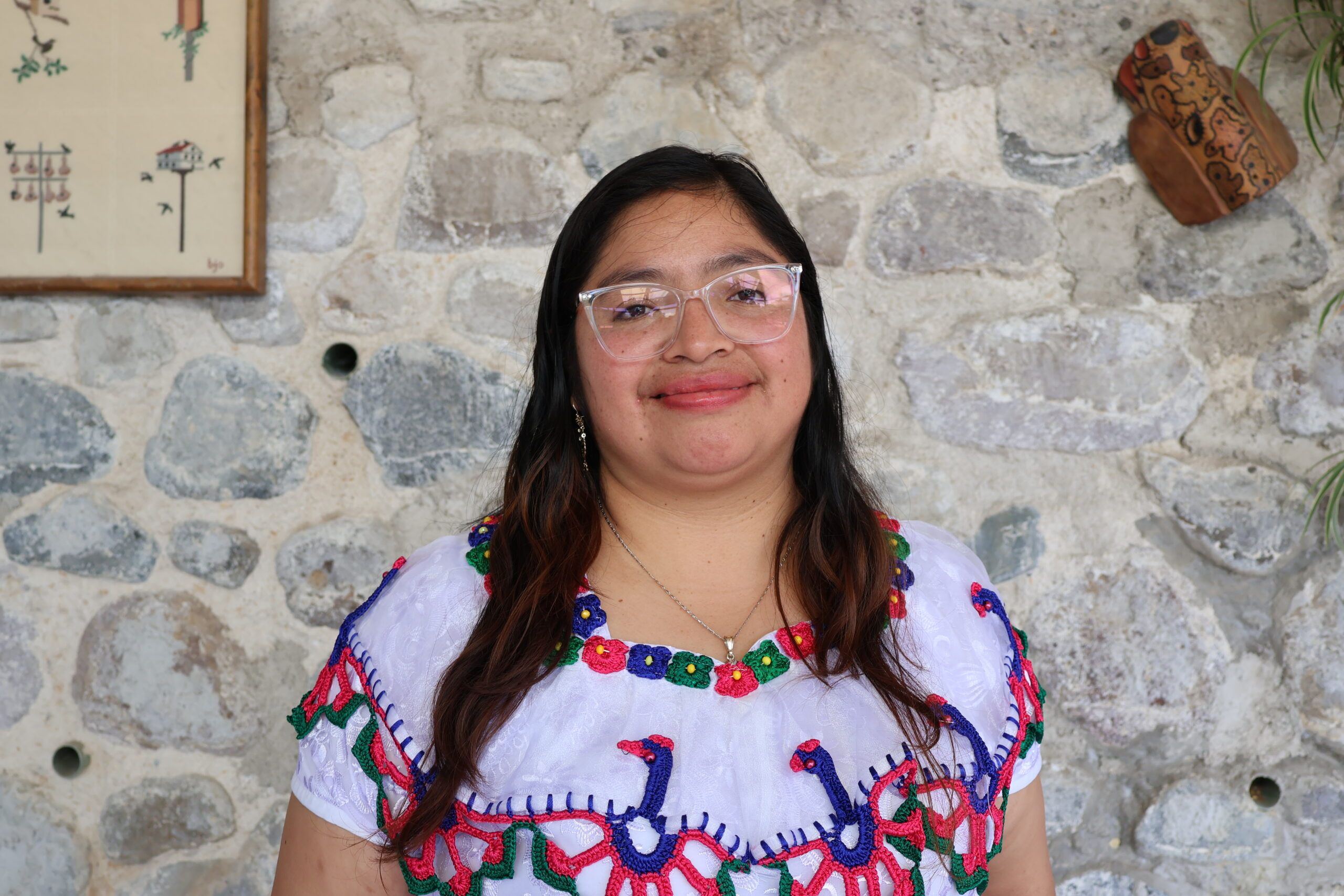
I still remember the first time Lucy, then a Coordinator and now our Country Director, showed me that leading in rural Guatemala is sometimes very different than leading in the U.S. The town council in a partner community was angry that we hadn’t let them know that we were going to have a fluoride clinic at the local elementary school. They wanted us to cancel the clinic, which was scheduled for the next day.
“Why do they care? They’ve never helped with any of our programs before.” I was indignant on the ride to the community.
“Because they are the authority in the community. We need to let them know and ask for their permission to have the clinic at their school. Is it okay if I talk with them when we get there?” Lucy asked.
“Of course,” I said.
And I watched. Where I would have walked in and wanted to fix things right away, Lucy went and shook everyone’s hand, graciously received the cup of atole they gave her, and started talking about how impressed she was with the community leadership. I watched as their expressions relaxed. They shared their concerns, Lucy explained our goals, and we left with the clinic back on for the next day.
It wasn’t just that Lucy handled the situation better than I would have. It was that she understood relationships and community dynamics in ways I never could.
Experiences like that changed how I thought about leadership. They also reinforced something we had been learning for years. The women closest to community challenges were often the people best equipped to lead solutions.
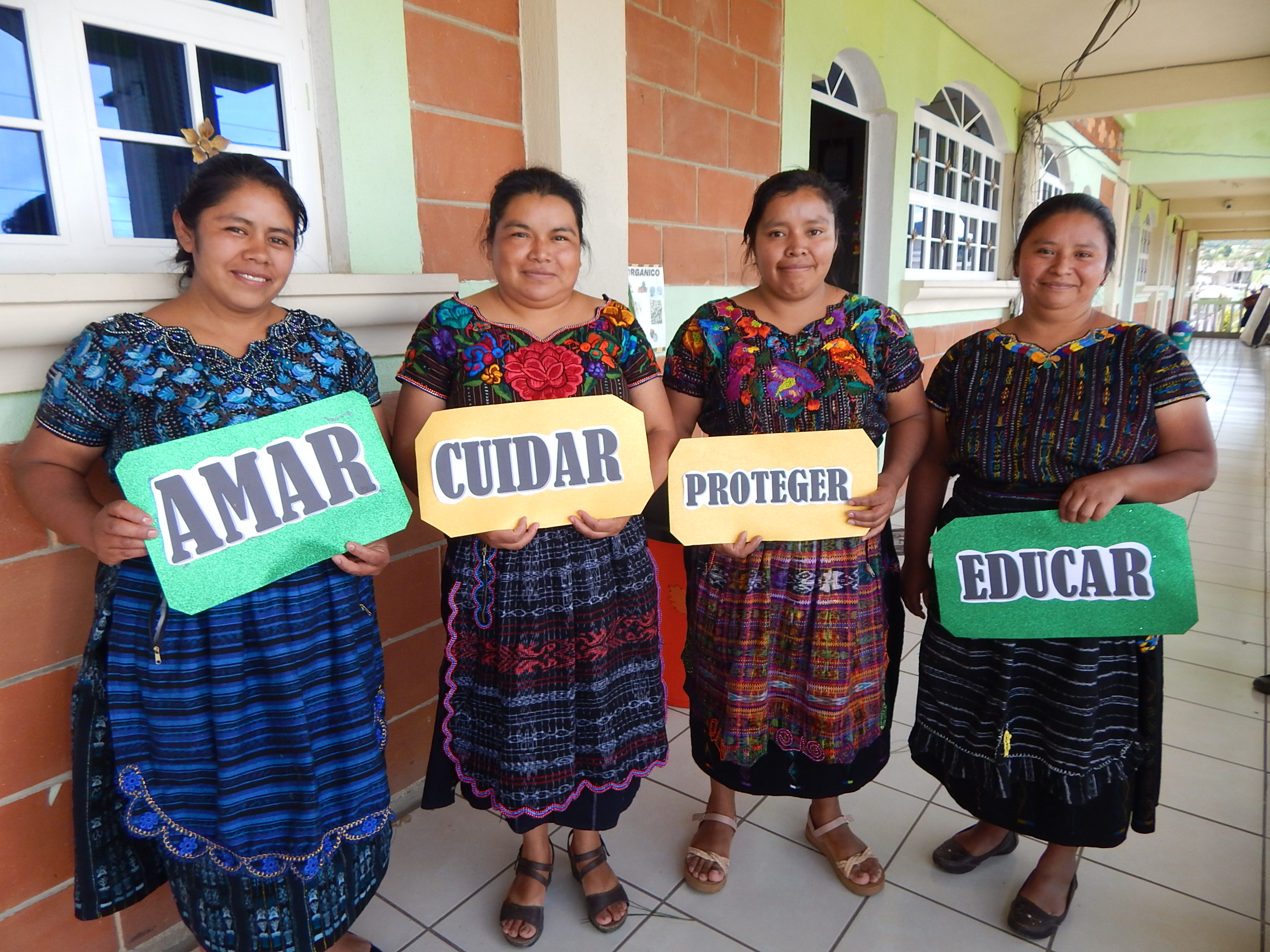
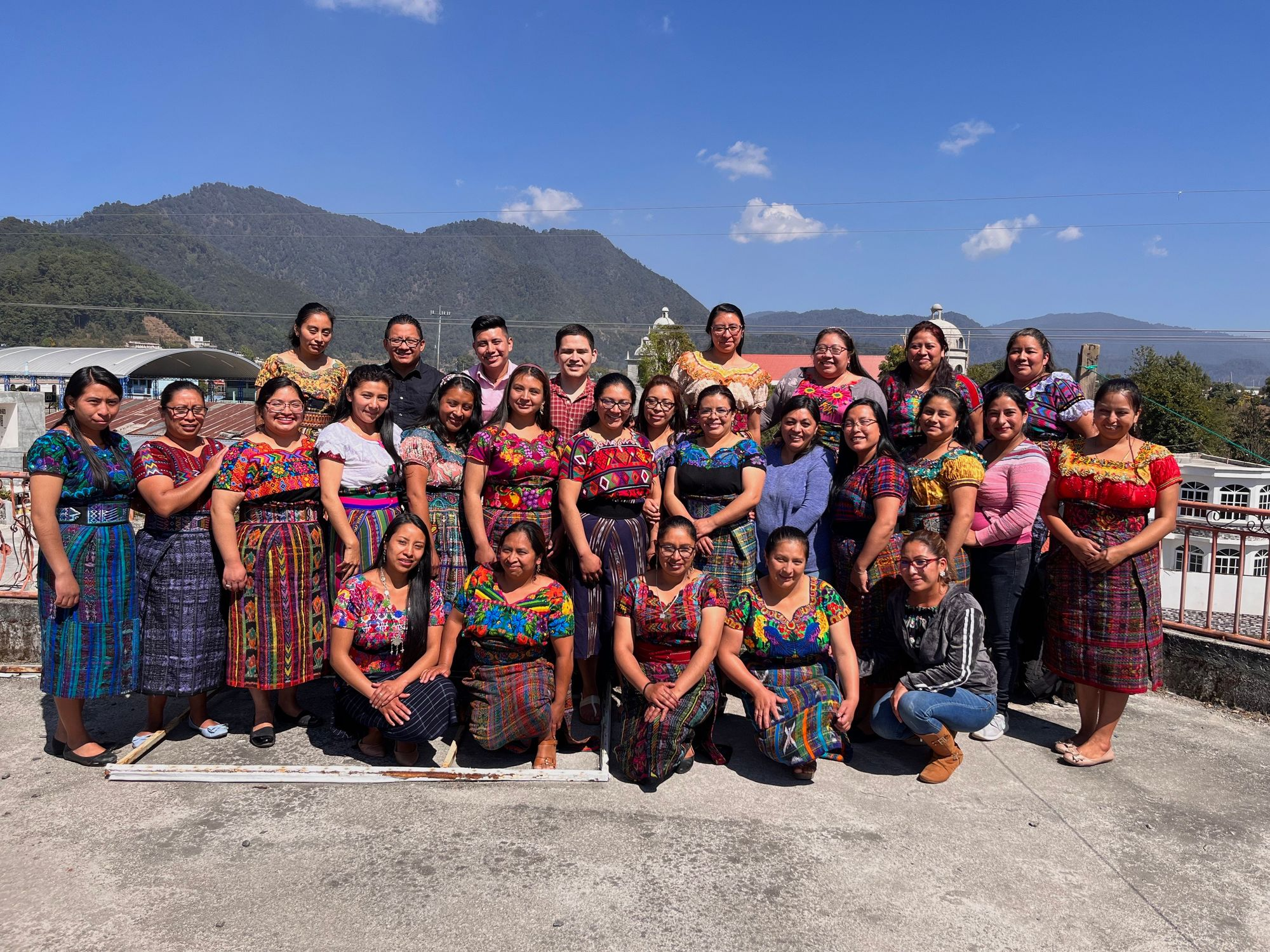
Today, sixteen former program participants work at Nuya’ as full-time staff. Eight former Community Coordinators have moved into management and director-level positions. And we are preparing for one of the most important transitions in our history: moving executive leadership from a U.S.-based executive director to an Indigenous woman leader in Guatemala. This is exactly the future we have been building toward.
This is the outcome that philanthropy says it wants. But none of it happened because someone funded a pilot project. What made this possible was not a single grant or a single program. It was years of investment in leadership development, staff training, mentorship, governance, systems, and organizational growth. In other words, it required investment in organizational evolution.
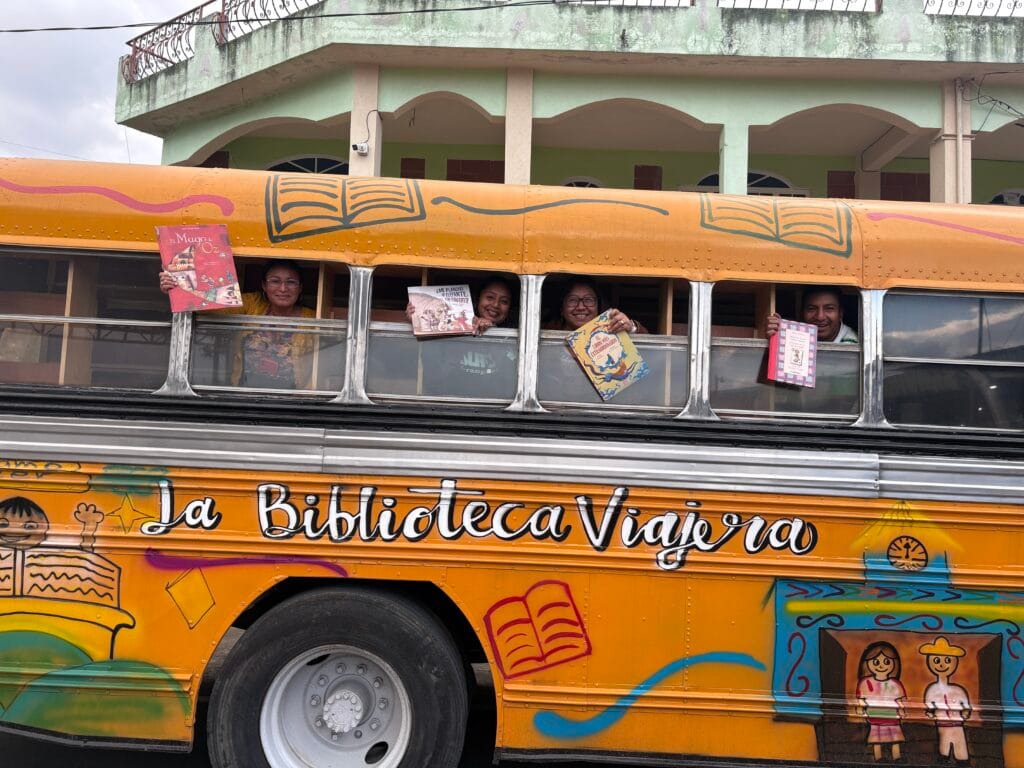
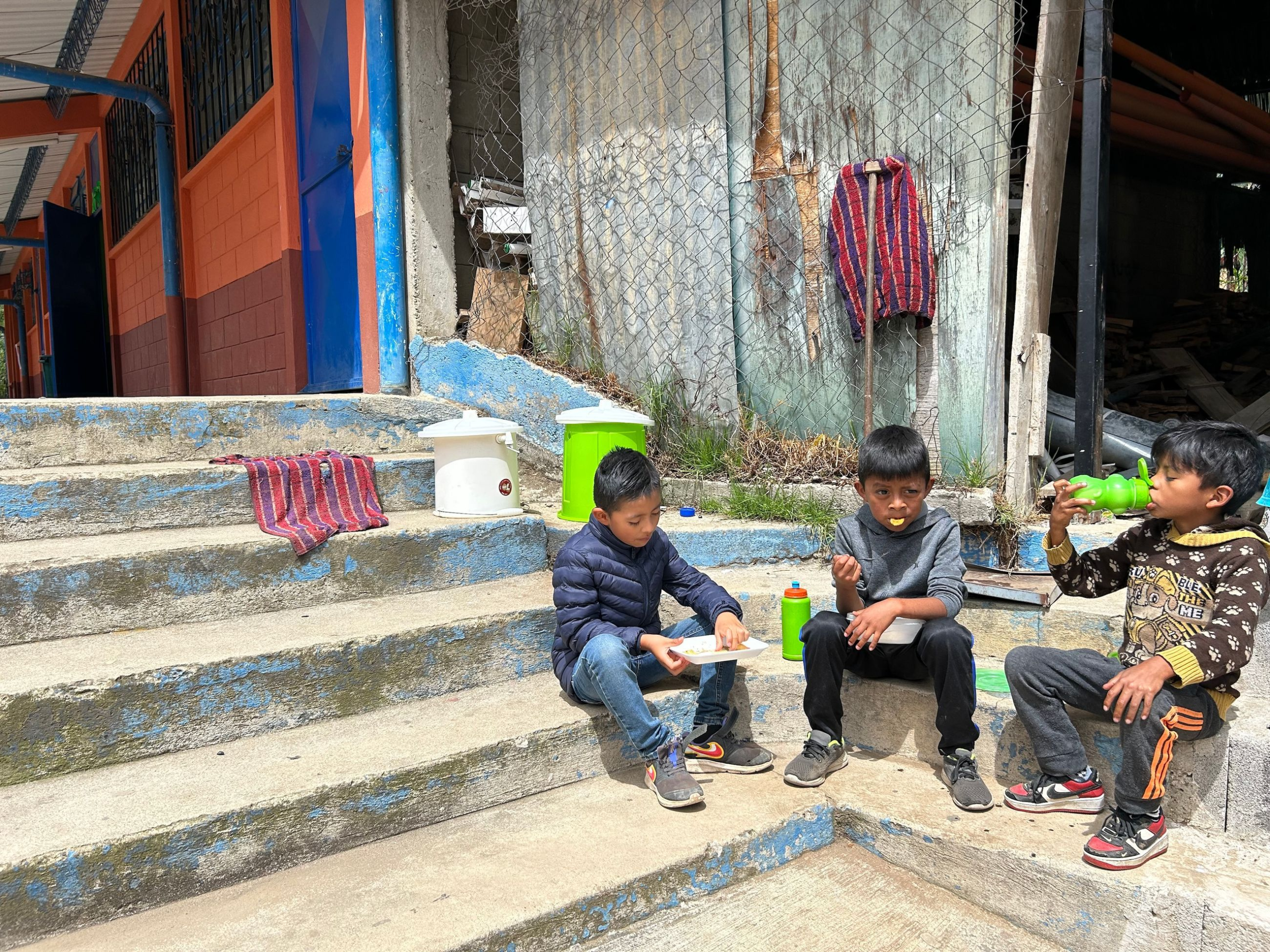
And that’s where I think philanthropy has a blind spot. The things that actually create sustainability do not fit neatly into a grant application. Books. Workshops. School lunches. These things are all tangible. You can count them, photograph them, and report on them. Strategic planning is harder to photograph.
But funding these things only answers the question: what will happen this year? What if we ask: What does an organization need to be effective for the next 5-10 years?
Activities create outputs. Organizational evolution creates leadership. Activities make sure a child has the school supplies he needs today. Organizational evolution determines whether an organization can keep solving problems tomorrow.
What would it look like to fund organizational evolution? It would look like funding the strategic planning process that prepares Lucy to lead the organization. It would look like investing in governance, leadership coaching, community listening, and succession planning. It would look like recognizing that these activities are not overhead. They are the infrastructure that makes community-led leadership possible.
None of this requires philanthropy to abandon program funding. Communities still need books, workshops, and school lunches. But if we are serious about building community-led organizations, then we need to expand our definition of what creates impact.
Impact is not only the workshop delivered today or the books distributed this month. It is also the leadership pipeline being built, the succession plan being developed, and the systems that will allow organizations to thrive long into the future. Organizations like African Collaborative are thinking carefully about how to fund this kind of community-led impact.
But who is funding it in Latin America?
I believe with every fiber of my being in community-led development. Not because it’s trendy, but because I see the power of Indigenous women changing their own communities.
When people talk about community-led development, they often talk about it as a destination. But in reality, it is a process. It is years of leadership development, coaching, trust-building, institutional change, and learning how to share power.
Transitions like these do not happen accidentally. They are built.
Our Indigenous leadership team, led by Lucy, are some of the best leaders I know. Not because they were trained to replicate someone else’s model of leadership, but because they lead from deep knowledge of their communities, cultures, and relationships.
They should be leading Nuya’ into the future. And we owe it to them to fund more than programs. We owe it to them and local leaders everywhere to fund the work of becoming the organizations we say we want to see.