
As of August 2025, Mil Milagros is now Nuya'

Stop Putting Education Requirements on Job Descriptions: 5 Unexpected Ways We Show Our Employees We Value Their Lived Experiences


As a small, international nonprofit serving an Indigenous population in Guatemala, we believe that our success is directly related to how much we value the people that make up our organization as they create positive outcomes for entire communities.

By Carolyn Daly

Of course there are the obvious ways you can show staff that they’re valued: fair pay, generous benefits, praise for a job well done. But these things should be the bare minimum and they aren’t enough. At Mil Milagros, there are 5 specific ways we show employees that we value them as they are and for what they bring to our organization:

1. Remove formal titles

By this, I don’t mean that we don’t have job titles or specific position descriptions. We do. But in Guatemala, as in the United States and elsewhere, there are titles like Mrs. (Doña), Dr. (Doctor/a) and Counselor (Licenciado/a). What we have found in our organization is that these titles come with varying degrees of reverence and expectations from others. So, we’ve created an internal policy that we use a person’s first name when addressing them or speaking about them. 

When we first hired former program participants, they would call the rest of the staff Seño (a term for an educator) and the staff would call them Doña (or Mrs.). Although the formality was supposed to be one of respect, we noticed that this brought certain expectations to relationships. The new staff members felt as if they were there to learn and they were wives and mothers first. Instead of being respectful and appropriate, we found it made it difficult for the new employees to see themselves as women who could suggest changes, give constructive feedback, and be teachers for others.

When we created the policy, we did it as an experiment. At first it was difficult to change ways that we addressed people. We made mistakes. We complained. And we got over it. 

Within a few weeks, we were all using each other’s first names and no one felt pigeon-holed by a title that society had given them. One staff member said, “I thought it was going to be so hard to change. And disrespectful. But it actually feels more respectful because we are all on the same level and can teach each other and learn from each other.” 

2. Eliminate education requirements

Finally, we are beginning to have the conversation in the United States about how education requirements on job descriptions are often discriminatory. In Guatemala, we have found this to apply as well. When a job requires a high school diploma or a generic college degree, what skills are actually being measured by these pieces of paper? And who are you eliminating as a candidate with these requirements? Instead of requiring a certain level of education, what would happen if you required specific skills and qualities and left the education requirement off? 

Well, in our case, it opened the door to Indigenous Maya women who not only were part of our constituent base, but had the passion, skills, and knowledge to be successful in their positions. Some have a high school diploma, others have a first grade education. And you know what? Unless they tell me about it, I don’t usually know (or care) how much formal education each employee has. When they are considered for a promotion to a new position, we consider their skills, growth, and passion, not years of schooling or diplomas received.

Are there some positions that require a specific degree? Of course. If a medical organization or hospital is looking for a brain surgeon, she should probably have graduated from medical school. But if you are looking for an educator for a school-based program, I’d argue that our Community Coordinators – few of whom have received degrees as teachers – have the skills, knowledge, and passion required to excel, maybe more than some certified teachers.

3. Encourage decision making at all levels

Many organizations do lip service to this value. There are studies that show that autonomy is correlated with higher job satisfaction. But how many organizations put a process into place to ensure that decision making is rewarded and encouraged? Not many.

When we noticed that employees were scared to make decisions, our leadership consultant suggested implementing a stoplight system and we haven’t looked back. Every quarter, staff members review their stoplight with their supervisors. Decisions that are in the green section are decisions that the staff member feels confident to make on their own. Decisions in the yellow section are decisions that the staff member can bring a proposed solution to their supervisor and share in the decision making. Decisions in the red section are emergency situations that require immediate escalation.  

For us, there are two things that make this model successful. The first is that it provides a shared language to talk about decision making. You’ll hear supervisors say, “That’s a green light decision,” which means that the staff person can use their best judgment to make the decision. The second reason this is successful is that every staff person knows that the goal is to have a majority of the decisions in the green section, so we are demonstrating how much we value employees’ experience and judgment in making sound decisions.

4. Be mindful of power dynamics

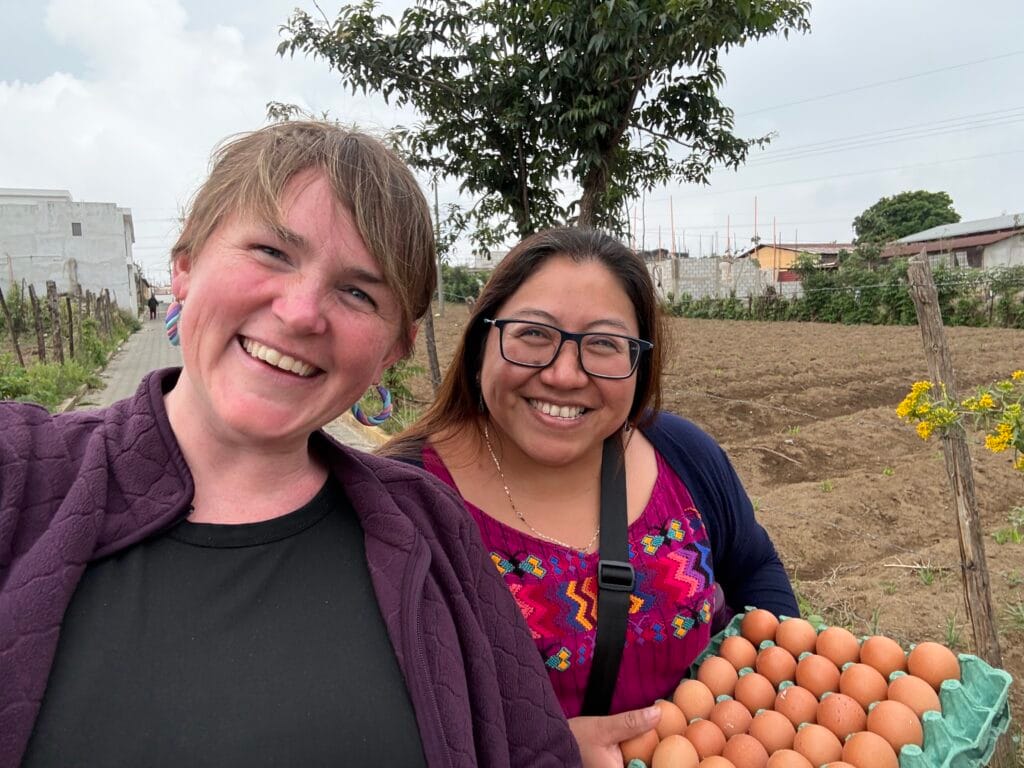
When I am with our staff in Guatemala, there is an elephant in the room. I am a white cis female and our entire staff in Guatemala is latina with the vast majority of them identifying as Indigenous Maya. In addition, there is a deep-rooted respect for hierarchical structures in Guatemala. So, if I have an opinion and voice it with authority, it’s likely that all heads will nod and no questions will be asked. In order for me to show that I value the life experience, skills, and opinions of our staff, I need to be mindful of these power dynamics and actively work to check my privilege.

Mid-2021, during the COVID-19 pandemic, vaccines finally became available to the public in Guatemala. Everything in me wanted to scream, “Go get vaccinated! Take time off work! Get your whole family vaccinated!” to each employee. But I knew I needed to slow myself down.

When I spoke with employees, they were uncomfortable with the vaccine, unsure about whether they wanted to be vaccinated, and just plain scared. We had a team meeting and I asked them what some of the fears they or their families had about the vaccine. They shared, “People think the government is trying to sterilize us so the indigenous population will die off.” “Americans have done tests on Guatemalans before and made them sick. How do we know this isn’t happening again?” “The government has switched out actual vaccines for the virus and they are trying to get us sick.”

If you know Guatemala’s history, these fears seem less like conspiracy theories and more like fears rooted in a traumatic history for the Indigenous Maya. Our staff chose to have an information session about the vaccine where they would learn what it was and wasn’t, ask questions, and share concerns. After that session, I made it clear that every staff member could choose whether they were going to be vaccinated – that there might be consequences for their decisions in schools or communities, but not within our organization – and they could choose how they wanted to share the information with the communities where we work.

They chose to share the information they learned with their communities, in K’iche’, their native language, and allow community members to make their own decisions. A month after our educational video and podcast aired, the municipality where our staff lives and works boasted one of the highest vaccination rates in the country.

In this situation, the team’s shared decision aligned with my desire but that doesn’t always happen. In fact, more and more often they are feeling comfortable countering a suggestion that I make with opinions that reflect their experiences and that of their communities. And I couldn’t be happier when that happens.

5. Give them a platform to shine!

If you really value what your employees bring to the organization, give them a platform to demonstrate it! It is important for employees to know the value of their skills and hear from their supervisors the value that they bring to the organization. It is just as important that we provide opportunities for employees to demonstrate that value to others as well.

In the early stages of the pandemic, our team decided to create educational videos to share on the local cable station. We were focusing on how we could continue to educate community members without sacrificing safety, but something incredible happened. Not only were we accomplishing our goals to educate but our staff were being seen on TV by more than 30,000 people. They were getting recognized at the market and seen as leaders in health education. 

Recently, I asked staff members to present to our Board of Directors at a meeting. I wanted the board to get to know more staff members and hear directly from them the accomplishments in their programs. Board members were impressed and staff were proud. The opportunity to shine can be an internal one and still be an important way to show staff that you value them.

If you are an organization leader or an aspiring one, I challenge you to implement at least one of these in your organization. I’d be willing to bet that you’ll see the value in it, too!

Learn more about our values as an organization, and our staff in Guatemala. Interested in more content like this? Subscribe to our newsletter.
Related Posts

leadership

community

health

education

María Concepción Tax , Custodian

María began as a mother leader in the Maternal and Child Wellness program, later becoming a facilitator for the Parenting Journey course, where she graduated four groups of mothers. She speaks Spanish and K’iche’. She has held leadership positions at her church, where she trained women in her community on the use of fertilizers and gardening techniques to promote food security. María is proud to have grown as a leader and learned technology skills, despite never having the opportunity to go school.

Leticia Vásquez, Program Director

Leticia joined Nuya’ in 2023 as Education Program Director, bringing over 10 years of teaching experience and leadership roles in education and women’s empowerment. She has completed coursework toward a degree in Education, as well as diplomas in Leadership Techniques and Coaching, and numerous professional workshops. Leticia is proud to lead a team that shares her lifelong dream of innovating and strengthening education for children.

Sandy Xitamul, Program Coordinator

Sandy began as a participant in the Maternal and Child Wellness program and later became a facilitator for the Parenting Journey course, which she loved. She speaks Spanish and K’iche’, and was hired as a Community Coordinator in 2019. Now as Education Program Coordinator, she develops lesson plans, trains teachers, and oversees program processes while applying skills gained from multiple professional courses and diplomas. Being a part of Nuya’ has allowed her to participate in further training and conferences that have allowed her to grow as a woman, and she has achieved several personal and professional dreams. Sandy is proud to lead and support her team.

Yolanda Yac, Program Coordinator

Yolanda first connected with Nuya’ in 2017 as a participant in the Maternal and Child Wellness Program. Since then, she has grown into a leadership role, beginning as a workshop facilitator and later serving in our very first group of Community Coordinators for nearly five years. Today, she is the Program Coordinator for the Leadership Academy team. Yolanda is fluent in Spanish and K’iche’ and has pursued ongoing professional development through training with AlbaNueva, Wuqu’ Kawoq, Herbalife, and Mary Kay. She is passionate about supporting families and women’s health. A mother, wife, and community leader, Yolanda finds strength in her faith and is proud of the woman she has become.

Yosselin Yac, Community Coordinator

Yosselin speaks K’iche’ and Spanish. She started with Nuya’ in 2017 as a mother leader and quickly became involved in the Parenting Journey program, first as a participant and later as a facilitator. In 2023, she stepped into her role as Community Coordinator. Over the last three years, Yosselin has grown personally and professionally through training with AlbaNueva, learning how to communicate clearly, give and receive feedback, and stay organized. Before this, she spent 10 years teaching reading and writing in both K’iche’ and Spanish to people in her community. Yosselin is proud of how much her self-confidence has grown—especially because she once believed the limiting messages that women should only focus on home life. As a member of the Health program team, she works with 64 student council members across seven schools, using her natural skills in planning and leadership to make a difference.

Abigail Yac, Community Coordinator

Abigail speaks K’iche’ and Spanish, and she began her journey with Nuya’ as a mother participant in the Maternal and Child Wellness Program. In 2023, she joined the team as a Community Coordinator. During her time with the organization, Abigail has completed professional training in baking, and graduated in 2025. She has also received valuable training through AlbaNueva, gaining skills that have strengthened her work. Proud of her leadership growth, Abigail uses what she’s learned to support other mothers, her family, and her community.

Ingrid Xaminez, Community Coordinator

Ingrid speaks K’iche’ and Spanish and began as a participant in the Maternal and Child Wellness program in 2020. She became a mother leader and Parenting Journey workshop facilitator in 2022. In January 2024, she joined Nuya’ as a Community Coordinator. Through AlbaNueva training, Ingrid has gained valuable skills for personal and professional growth. She has served on her local school board in Los Planes and is active in her church as a board member and Sunday school teacher. Proud of her perseverance and resilience, Ingrid has overcome challenges and learned to confidently use computers to manage program reports and requests. She feels fulfilled to contribute financially to her children’s education and achieve dreams she once thought impossible.

Claudia Xaminez, Program Coordinator

Claudia joined Nuya’ in 2017 as a participant in the Maternal and Child Wellness program and quickly became a mother leader that same year. In 2018, she joined the staff as a Community Coordinator and has served as a Program Coordinator since 2022. She speaks K’iche’ and Spanish and has received ongoing training through AlbaNueva, where she developed strong leadership and teamwork skills, as well as tools for personal and professional growth. Outside of Nuya’, Claudia has been active in her community as a children’s teacher with SOSEP, church secretary, treasurer of the local water committee, and member of various community event committees. She is proud of the confident, empowered woman and leader she has become—someone who can make decisions, lead teams, and be a role model for her daughter.

Caroline Whitcomb, Development and Communications Coordinator

Caroline joined Nuya’ in 2022 as Communications Coordinator and began coordinating grant writing and research in 2023. She holds degrees in Spanish and English, speaks both languages, and loves communicating across languages and cultures as part of her work. She believes deeply in the work of her colleagues to transform their lives and communities, and sharing their stories and experiences is one of the most meaningful aspects of her role. She is proud to be part of such a collaborative and supportive team of women who inspire her every day.

Cristina Vicente, Program Director

Cristina joined Nuya’ in 2015 as an Administrative Assistant and quickly moved into program leadership. She served as Director of the Maternal and Child Health Program until 2024 and now leads the organization’s Health Program. She speaks Kaqchikel and Spanish and holds a teaching credential in Learning Challenges (2019) and a Bachelor’s degree in Social Work (2024). An active member of her local church, where she helps lead community activities. Cristina is especially proud of defying expectations that women should only be homemakers—pursuing her education despite limited support and proving that women can lead and achieve their dreams.

Vilma Sosa, Community Coordinator

Vilma joined Nuya’ in 2023 as a volunteer community health leader and became a Community Coordinator in 2024. She holds a degree in Bilingual Primary Education and has completed AlbaNueva leadership training and professional training in confectionery. In her community, Vilma serves as president of the local water committee and has held leadership roles in her church. She finds joy in working closely with teachers and visiting schools. Vilma is also a proud mother of three and deeply values the trust and love she has built with her children while raising them as a single mother.

Marlyn Sazo, Program Director

Marlyn began as a mother participant, later serving as a facilitator for Parenting Journey and a Community Coordinator before becoming Program Director. She speaks Spanish and K’iche’, and holds a diploma from Libros Abiertos. She has completed leadership coaching, women’s health courses, and professional workshops through AlbaNueva. She has held several leadership positions in her community and is currently on three committees in her church. Marlyn is proud of her personal and professional growth at Nuya’, which has helped her discover her strengths and achieve financial goals for her family, like building a home and buying her motorcycle.

Aura Saloj, Community Coordinator

Aura began her journey with Nuya’ in 2018 as a participant and mother leader in the Maternal and Child Health program. After five years of volunteer leadership, she joined the staff as a Community Coordinator in 2024. She has served as a storyteller, parenting workshop facilitator, and led sessions in poetry, art, and advanced literacy techniques. Aura also contributes to her community through roles in the Women’s Commission and her church’s women’s ministry. She is proud of her personal transformation—from low self-esteem and focusing solely on home life to becoming a confident professional and role model for her children. With Nuya’, Aura has found both her voice and her wings.

Blanca Quisquina, Community Coordinator

Blanca joined Nuya’ as a participant in the Maternal and Child Health program and later became a mother leader. She now serves as a Community Coordinator. She speaks K’iche’ and Spanish. Blanca has also completed workshops through AlbaNueva as part of her leadership development. In her community, she has held leadership roles through her church. Blanca is proud of her personal transformation from a participant to a confident leader. Through Nuya’, she has grown in self-esteem, decision-making, and the belief in her ability to create change for herself and her family

Wendy Morales, Community Coordinator

Wendy joined Nuya’ in 2023 as a community health leader and was named Leader of the Month before being hired as a Community Coordinator in 2024. She has completed professional development courses with Alba Nueva and previously served as a church secretary in her community. Wendy is proud to strengthen her leadership skills and lead the entrepreneurship component of the Maternal and Child Wellness program.

Daniel Mijango, Administration Assistant and Training Coordinator

Daniel joined Nuya’ at the end of 2019 and works as an Administrative Assistant and Technology Training Coordinator. He speaks Spanish and has earned both a bachelor’s degree and a master’s degree during his time with the organization. He has witnessed firsthand the organization’s growing impact on communities and individuals alike, and he takes pride in being part of this transformative journey. He is committed to driving further success in Nuya’s programs.

Dora Martínez, Director of Administration and Finance

Dora began her career at Nuya’ as an Administrative Assistant and now leads the Administrative team in Guatemala. She holds a degree in Public Accounting and Auditing and has completed leadership coaching and professional development courses through AlbaNueva. Dora is proud to have helped build strong financial systems at Nuya’—from implementing internal controls and HR processes to developing policies and forms that the whole team now uses with confidence. She is passionate about creating clear, efficient systems that support sustainable impact.

Rossío Joj, Community Coordinator

Rossío first connected with Nuya’ in 2020 as a program participant and joined the staff in 2023 as a Community Coordinator. She speaks K’iche’ and Spanish and has supported multiple components of the Education program, including the Literacy Festival, Scholarships, and currently, the Advanced Literacy Course. She holds a high school diploma in computer science and is currently pursuing a university degree in nursing. Rossío has completed AlbaNueva leadership training, and professional training as a hairdresser. She takes pride in managing her program components with care and creativity—always seeking improvements while continuing to grow personally and professionally

Gavila Joj, Community Coordinator’

Gavila joined Nuya’ in 2018 as a participant in the Maternal and Child Wellness Program, later serving as a mother leader and facilitator for Parenting Journey before becoming a Community Coordinator in 2024. She has completed professional development courses with Alba Nueva and leads the Ambassador Schools and Health Campaign components in the Health program. She is proud to support her family and be a valued voice in her community.

Flor de María Joj, Community Coordinator

Flor de María began her journey with Nuya’ in 2019 while pregnant with her twin daughters. After participating in the Maternal and Child Wellness program, she went on to become a mother leader and helped to facilitate both Parenting Journey and women’s health workshops. She now serves as a Community Coordinator. Flor speaks K’iche’ and Spanish and has formal training as a secretary, along with ongoing professional development through AlbaNueva and Nuya’. She has also held leadership roles in her church and community, including as a community council member, Sunday school teacher, and women’s group leader. Flor is proud of the personal transformation she’s experienced—from being shy and unsure to becoming a strong, capable woman.

Mirna Ixcol, Community Coordinator

Mirna began her involvement with Nuya’ as a volunteer community health leader at Xesampual school and joined the staff as a Community Coordinator in 2023. She speaks Spanish and K’iche’ and has received training in workshop facilitation, educational programming, and leadership through AlbaNueva. Since 2024, she has led the Traveling Library component of the Education program, working closely with teachers and students across the municipalities of Santa Lucía Utatlán and San José Chacayá. Mirna is especially proud of completing two full rounds of delivering the traveling library to all participating schools in both municipalities, training teachers in classroom activities, and helping coordinate the design and launch of the brightly colored library bus.

Phoebe House, Director of Operations

Phoebe began their work with Nuya’ as a Development and Administrative Coordinator in 2019. They have bachelor’s degrees in Spanish and psychology, and they are licensed in social work. During their tenure at Nuya’, Phoebe has worn many different hats: from fundraising to event-planning to accounting. In their current role as Director of Operations, Phoebe works closely with the teams on the ground to manage program budgets and carry out evaluations of Nuya’s work. Phoebe believes that it is never too late to learn anything, and they strive to support their coworkers as they delve into the math- and tech-intensive parts of nonprofit administration.

Erika González, Community Coordinator

Erika began her journey with Nuya’ as a mother leader before becoming a Community Coordinator in 2025. She speaks K’iche’ and Spanish and has completed professional and personal development training through AlbaNueva. In just six months, Erika has grown in confidence and leadership—now even leading worship at her church, something she once found intimidating. She is proud to be part of the team at Nuya’ and of the strong, capable woman she is becoming. Erika is committed to continuing her growth and achieving her goals as part of the team at Nuya’.

Carolyn Daly, Executive Director

Carolyn joined Nuya’ in 2013 as the organization’s first Country Director. Before joining the Peace Corps in Guatemala, she graduated from a leadership development program at a financial institution. She is fluent in Spanish and English and conversational in Kaqchikel after living in Sololá for nine years. In 2019, she moved with her husband and children to Somerville, MA and became Nuya’s Executive Director. She is proud of the work that Nuya’ has done to develop the leadership potential of the Indigenous Maya women who change their lives and communities.

Isabel Chávez, Assistant Country Director

Isabel joined Nuya’in 2017 as a Health and Hygiene Coordinator and has since held leadership roles across several programs, including Education, Parenting Journey, and coordinating with the Board of Directors. In 2024 she became a Program Director, and now proudly serves as Assistant Country Director. She speaks K’iche’ and Spanish and holds a teaching credential and a Bachelor’s degree in Social Work. She earned her social work license in 2025 and continues to grow through training with AlbaNueva, La Puerta Abierta, and other coaching opportunities. Isabel also represents Nuya’ with El Directorio Guatemala. An active member of her church’s choir and reading group, Isabel is proud to be a woman leader who has achieved her educational goals. She is continually proud of and inspired by the strength and support of her mother.

Evelyn Charar, Community Coordinator

Evelyn began as a participant in the Maternal and Child Wellness Program in 2017 and later served as a mother leader before being hired as a Community Coordinator. She now works as a Community Coordinator in the Health Program. She speaks K’iche’ and Spanish, and has completed leadership development courses with Alba Nueva. She has served on her community’s women’s commission, and she has served as youth coordinator at her local church, where she is currently a reader. Evelyn is especially proud of how far she’s come as a woman and a leader. She has found in Nuya’ a place of support, growth, and new opportunities.

Griselda Calgua, Program Assistant

Griselda speaks K’iche’ and Spanish and began her involvement with Nuya’ in 2018 as a volunteer mother leader. She served as municipal leadership board member the same year. In 2022, she became a full-time Community Coordinator. She has also served in leadership positions in her church in 2023 and 2024. Griselda is proud of the knowledge and skills she has gained through Nuya’s training and workshops, which have supported her professional growth.

Edgar Calgua, Driver

Edgar joined Nuya’ in 2024 and has completed several valuable training courses to strengthen his skills. He speaks Spanish and K’iche’, and he also serves as an ordained elder in his church. Edgar is proud to be part of the Nuya’ family and approaches his work every day with a positive attitude.

Beverly Ajú, Community Coordinator

Beverly began her journey with Nuya’ as a mother leader, later helping to facilitate the Parenting Journey course, and now serves as a Community Coordinator. She is fluent in Spanish and K’iche’ and has completed personal development training with AlbaNueva. Beverly also holds leadership roles in her church and community, including as a Sunday school teacher and president of the “Acompáñame a Crecer” women’s group. She is proud to be part of Nuya’s team and to support other women and families through her work.

Alecsandra Ajú, Community Coordinator

Alecsandra began as a participant and mother leader in the Maternal and Child Wellness program and is now a Community Coordinator in the Leadership Academy. She speaks Spanish and K’iche’ and has a high school diploma in sciences and humanities, and a certificate as a nursing assistant. She has completed training in Parenting Journey, literacy, women’s health, technology, leadership, and conflict management. Alecsandra is proud to support teachers, lead parenting and health sessions, and help schools improve through hands-on monitoring.

Telma Alva, Program Director

Telma speaks K’iche’ and Spanish and first joined Nuya’ as a beneficiary of the Maternal and Child Health program, where she learned about infant nutrition and self-care. Since then, she has grown both personally and professionally—earning a high school diploma in sciences and humanities, and completing professional training as a beautician. Telma also serves as president of the women’s group in her church. She is proud to contribute to empowering the natural leadership of Indigenous women in her work, family, community, and in her spiritual life.

Orquídea Alva, Community Coordinator

Orquídea first joined Nuya’ in 2016 as a participant in the Maternal and Child Wellness program and later served as a mother leader in 2018. In late 2024, she was invited to interview for a staff role, and in January 2025, she officially joined the team as a Community Coordinator. Since then, she has completed training and workshops that have strengthened her skills and personal growth. Orquídea is proud to be part of the Nuya’s team and deeply grateful for the opportunity to grow both professionally and personally in her role.

Lucy Aj, Country Director

Lucy began her work with Nuya’ in 2013 as a Nutrition and Hygiene Coordinator. Over the years, she has served as Nutrition Coordinator, Program Director, and now leads the organization as Country Director. She speaks Spanish and K’iche’ and holds a degree in Social Work, along with a teaching credential in primary education and coursework in legal studies. Lucy has completed leadership coaching diplomas and actively participates in civil society events. In her community, she has served on the local development council (COCODE) and currently contributes to a community water project. Lucy is proud to have achieved her dream of becoming a social worker and is honored to work alongside women who are transforming their lives, families, and communities every day.

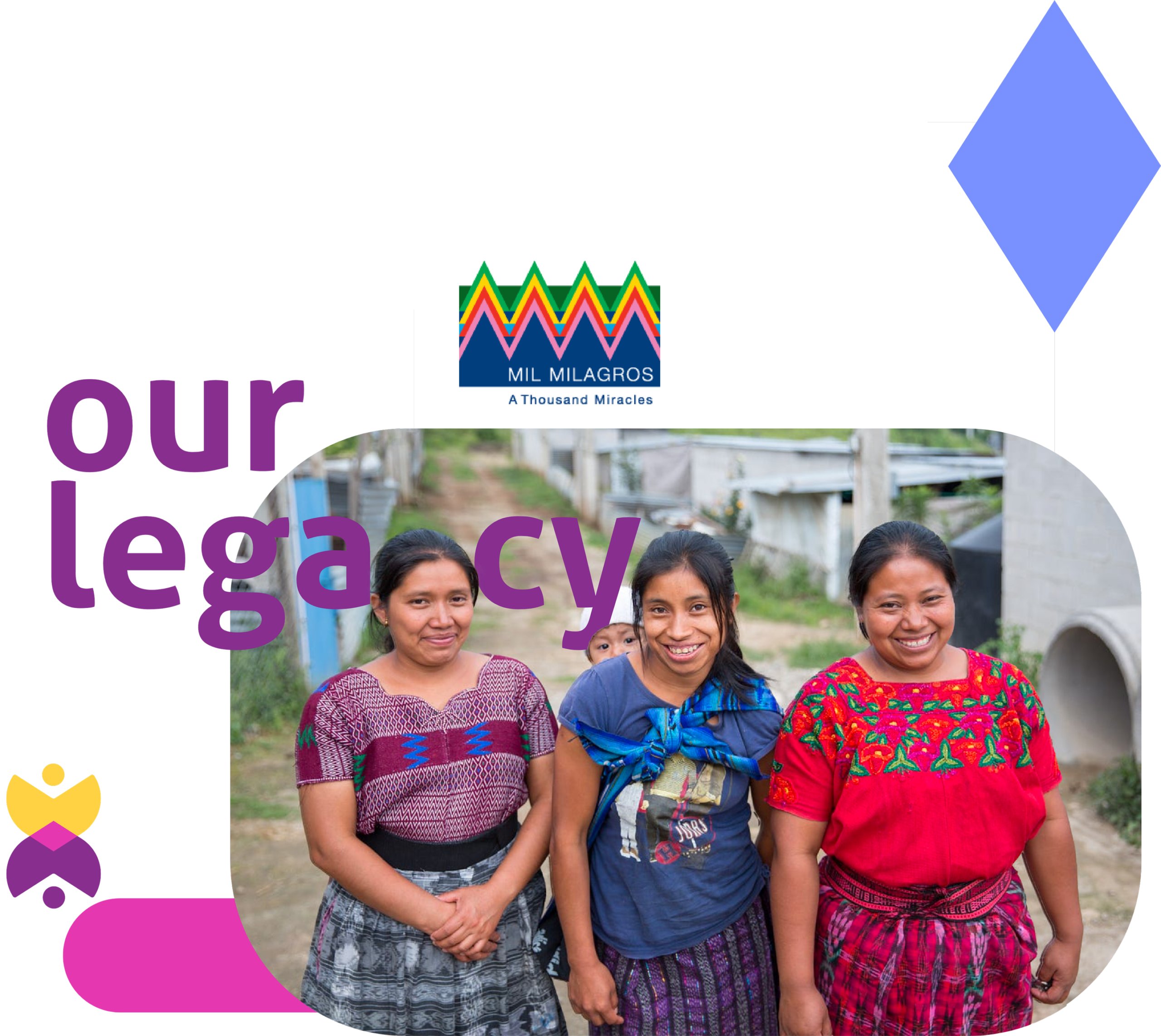
After more than 18 years of transforming lives in rural Guatemala, in August 2025 Mil Milagros became Nuya’ — a word from the Indigenous K’iche’ language that means “the cycle of giving.”

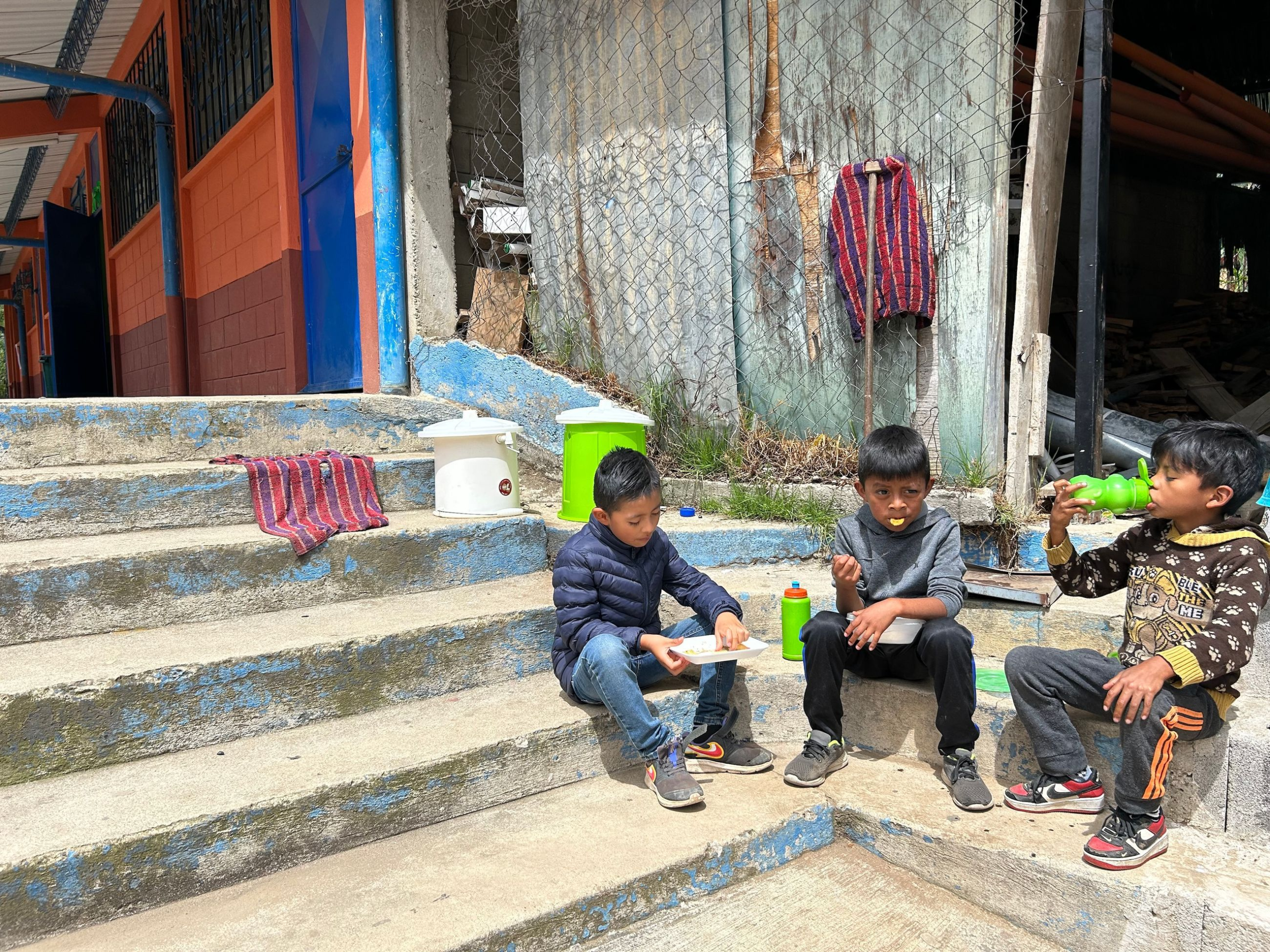
Mil Milagros (A Thousand Miracles) began in 2007 as a school feeding program serving 160 children. Local mothers, seizing the opportunity to give their children healthy meals, advocated for services like hygiene supplies in schools and child development education for new parents. Today, we are an Indigenous-led organization with a staff of over 30, annually serving more than 2,000 women, teachers, and children in Sololá, Guatemala.

When our staff voted on Nuya’ as our new name, it was because the reciprocity of giving and receiving spoke deeply to who we are now as an organization. Nuya’ reflects what our organization has become: not a provider of miracles, but a catalyst for self-driven change. The impacts of our programs come directly from our Indigenous staff members who implement them. They are transforming lives in their own communities, and their work as leaders is already at the center of who we are. It also deserves to be at the center of how we represent ourselves to the world.

Even though our name has changed, many things are staying constant. Our mission, vision, programs, and leadership remain the same. We are still a U.S. 501(c)(3) nonprofit, and all donations remain tax-deductible. The name change reflects who we’ve become—not a change in direction, but a recognition of how far we’ve come.

As we step forward as Nuya’, we invite you to continue walking with us as partners in a cycle where giving and receiving are shared acts of transformation. Together with our Indigenous staff, volunteers, and participants, your support helps drive the lasting change families and communities in rural Guatemala are creating for themselves.

Thank you for being part of this cycle of giving.

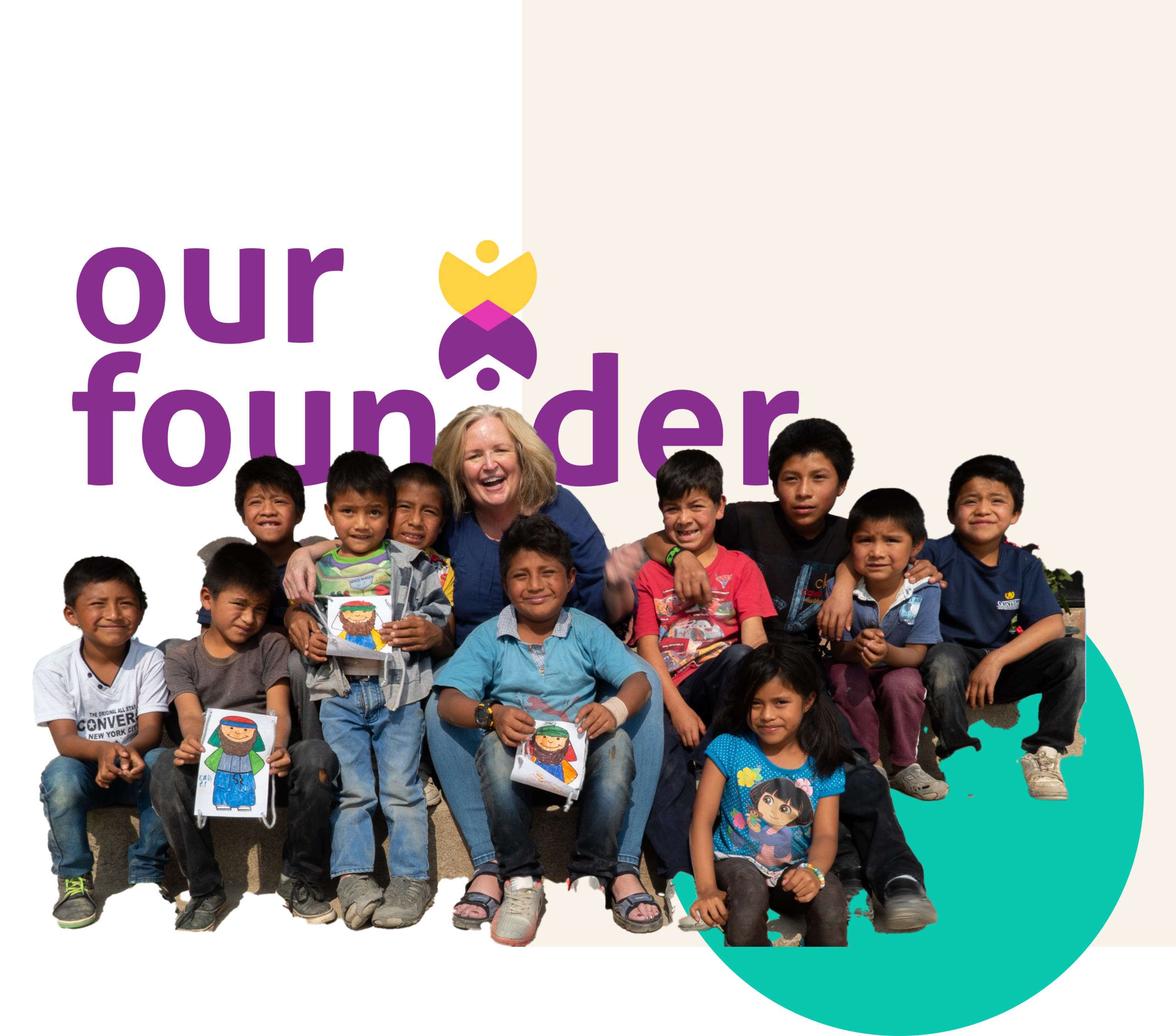
Alarmed by the high rates of child malnutrition and the low rates of primary school completion she found during several volunteer sabbaticals at a school for child workers in Panajachel, Sololá, Margaret Blood was determined to help. School leaders told her the greatest need was to feed the children. Margaret raised funds to launch a breakfast program for the 160 children at the school and based on the impact of that effort, founded a new organization in 2007. The organization was named “Mil Milagros” (A Thousand Miracles) with “Mil” representing alignment with the United Nations’ Millennium Development Goals and “Milagros” meaning “miracles.”

As Mil Milagros deepened its relationships with its partner communities, it became apparent that feeding school children was only part of what we could do to promote wellbeing. Over her years at Mil Milagros as Founder and Executive Director, Margaret worked with our communities to adapt our programs to their needs and grow our organization into what it is today. Margaret stepped down from the Executive Director role in 2019, but it is because of her visionary leadership and passionate advocacy that we are able to continue to do our work.