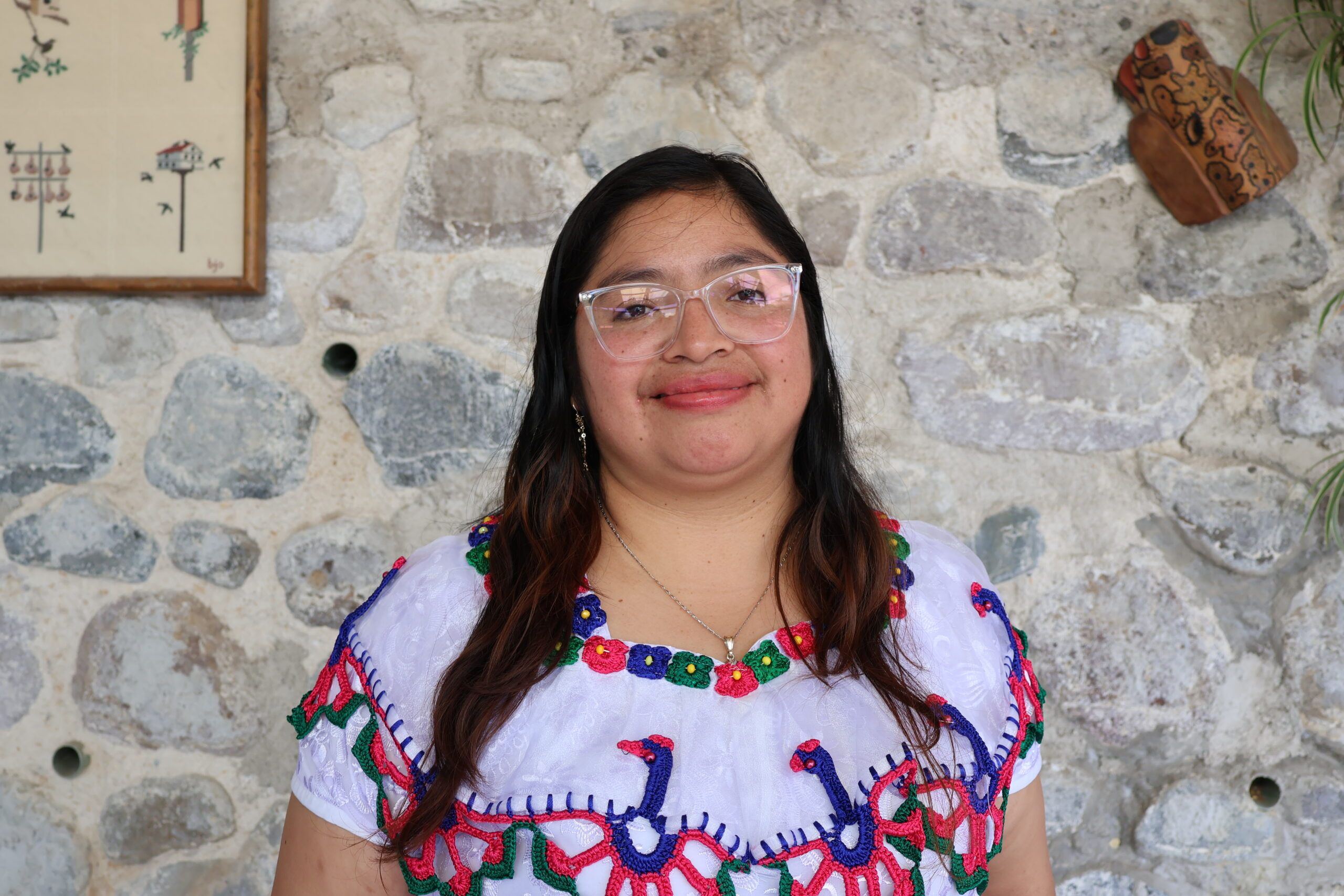

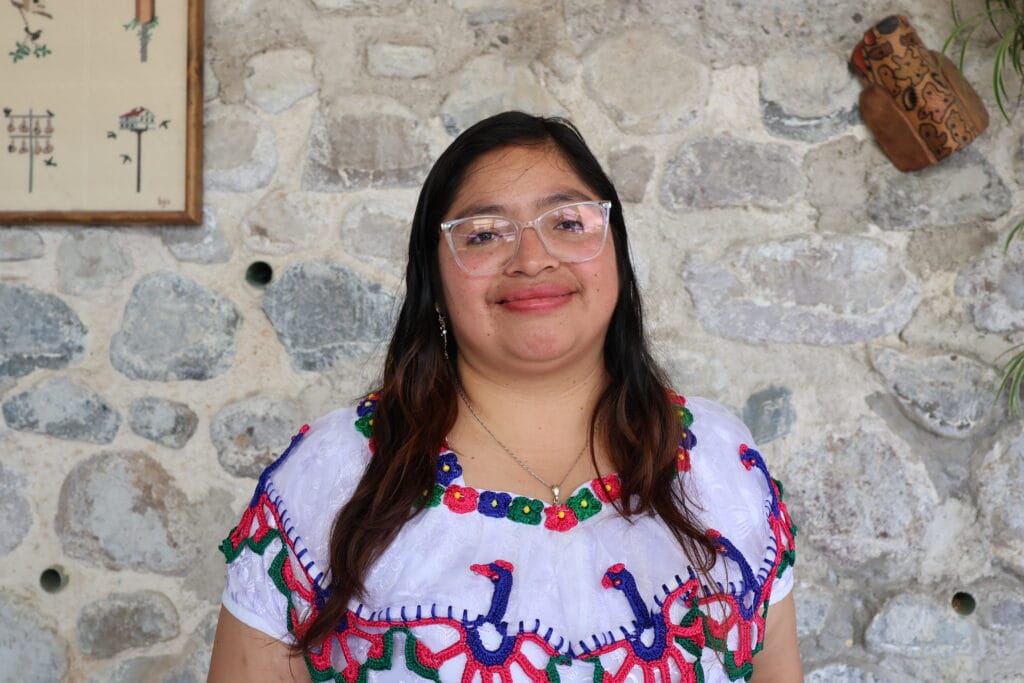
 It’s hard to match Leadership Academy Program Director Telma Alva’s passion for our work. But, that’s because she has lived our mission.
Once a program participant in our Maternal and Child Wellness program, Telma eventually became a Mother Leader, and was hired among some of the first Community Coordinators. Because of how much she grew as a leader, she was hired as permanent staff in 2022 and promoted to Program Director in 2023.
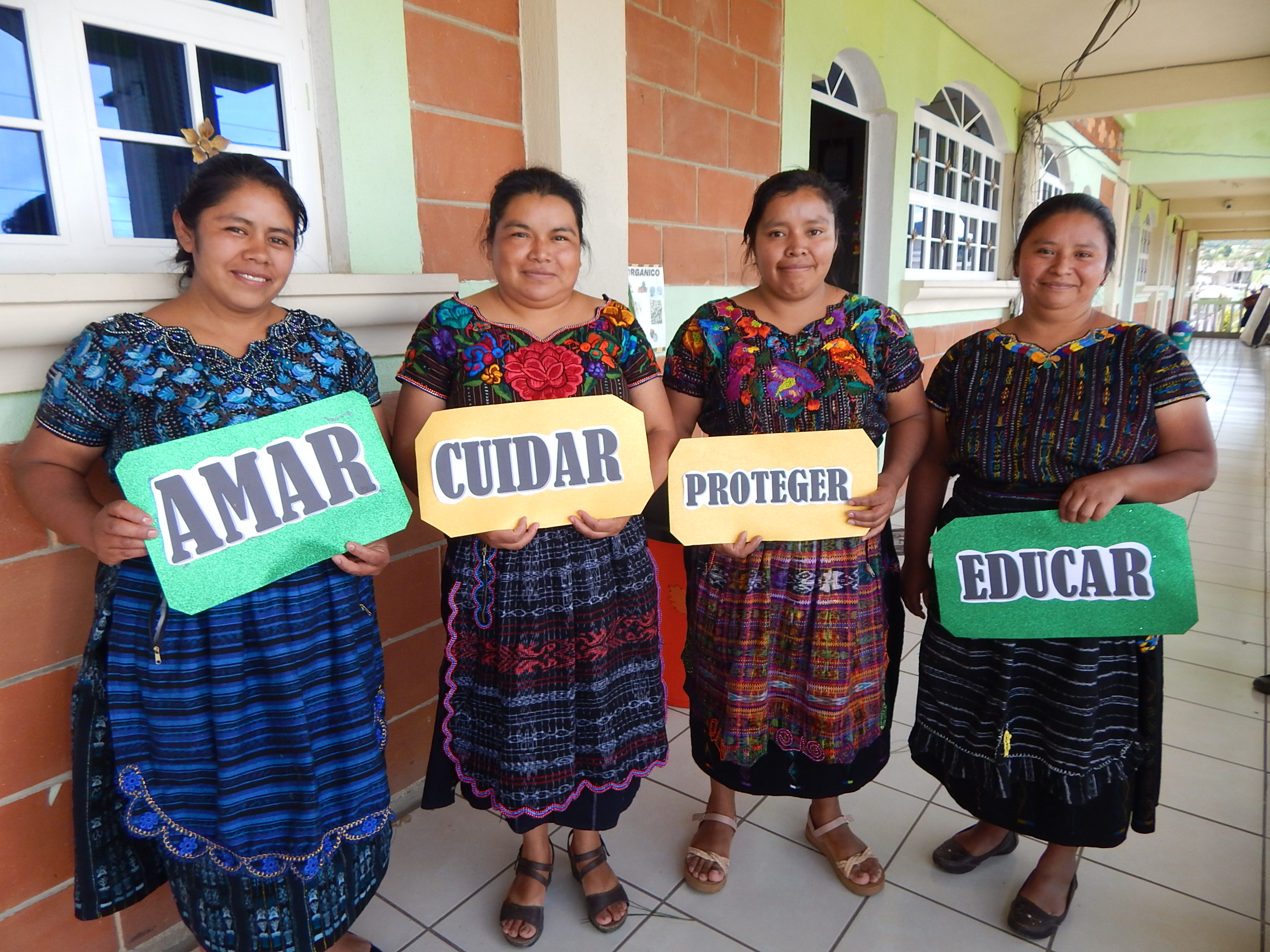
Now, she leads the Leadership Academy, helping to orient and train new Coordinators who come to our staff as former program participants on a three-year contract.
We spoke with her recently to pull back the curtain on what happens when new Coordinators join the Leadership Academy, and the transformation she sees in the three years they’re with us:
Caroline: So, if you could tell me a little—because I’m curious and I also think it’s interesting—how do you select the new Coordinators each year? What is the process for identifying the new Coordinators and interviewing them? Tell me a bit about that process and how the decision is made.
Telma: Honestly, it has been a learning process over these past years. We actually identify these mothers from their own communities—women who are already serving as Mother Leaders or Community Leaders in the Health and Maternal and Child Wellness programs. From that point, they begin to show their own leadership by doing things like conducting school monitoring visits, and also doing home visits in the field. And when we see that during their visits or monitoring, they are entering information, tracking data, and doing it with real intention, we notice—wow—she is already a leader in her community.
So through that identification process, the leadership team builds a consolidated list of people we’ve noticed who have those skills and abilities to potentially take on formal work. Then we talk about their strengths, their abilities. But basically, we make a big list. And from there, we decide who are the best candidates for the role of Community Coordinator. Based on that, we hold a very interactive meeting, and then we vote.
So that’s when we begin the interview process. We listen to their dreams, their goals, their hopes to thrive—their desire to be capable women, and above all to learn new things. Because often, we’ll hear things like, “I always imagined myself just being a homemaker, taking care of children, taking care of my family. I never imagined having a formal job.”
Caroline: How beautiful. So you’re really looking for alignment, right? Between their goals and the goals of Nuya’. And at the end, I imagine after the interviews, you review their responses and make offers, right?
Telma: Yes, that’s right.
Caroline: Great. And what is the process then? Because I think the incoming Coordinators have a variety of experiences—some have had jobs before, some haven’t. How do you help them adapt, orient them to our organizational culture, and to the new skills they have to learn? How do you see that process? I find it very interesting, because it’s challenging to ensure everyone learns the same things with such a range of starting points.
Telma: Exactly. We try to strike a balance between people who maybe are more mature or have more work experience, and those who are still learning. And what are those things they learn? First, they learn to live our values at Nuya’.
What is Nuya’ all about? What are our rules and procedures? What are our values? We do this kind of introduction. And alongside that, we work on their personal and professional development. For example: How do I make decisions? How do I speak in public? How do I handle difficult situations—both with my team and with the community beneficiaries? What decisions are mine to make, and which ones should I consult on?
We offer workshops that help build their empowerment. These workshops tend to build certain attitudes around our work—for example, helping them to be not just employees, but people who are empathetic, who want prosperity, who want to foster teamwork.
I always say: you can have all the hard skills—you can know how to use a computer, create a PowerPoint, format a document, do edits, all that knowledge helps, right? But if you don’t have the willingness to make changes, to make improvements, to be humble—then the hard skills don’t matter. It needs to go hand in hand.
So really, a lot has to go together: personal development, professional development, emotional maturity—those three parts are so fundamental. And throughout the year, with workshops, courses, training, and orientation, we see a big impact. They begin to believe they are leaders—leaders in their homes, leaders of themselves, leaders in their communities. They start making their own decisions, sharing their opinions, proposing ideas—not like at the beginning of the year when they just agree to everything.
That’s the essence of empowerment: when we empower them, they start saying, “Let’s do this differently,” or “Why don’t we try this?” They begin to innovate.
Caroline: Wow, thank you Telma. So, you see a big change not only after the first year but also after three years, right?
Telma: Yes, there is a radical change. Exactly.
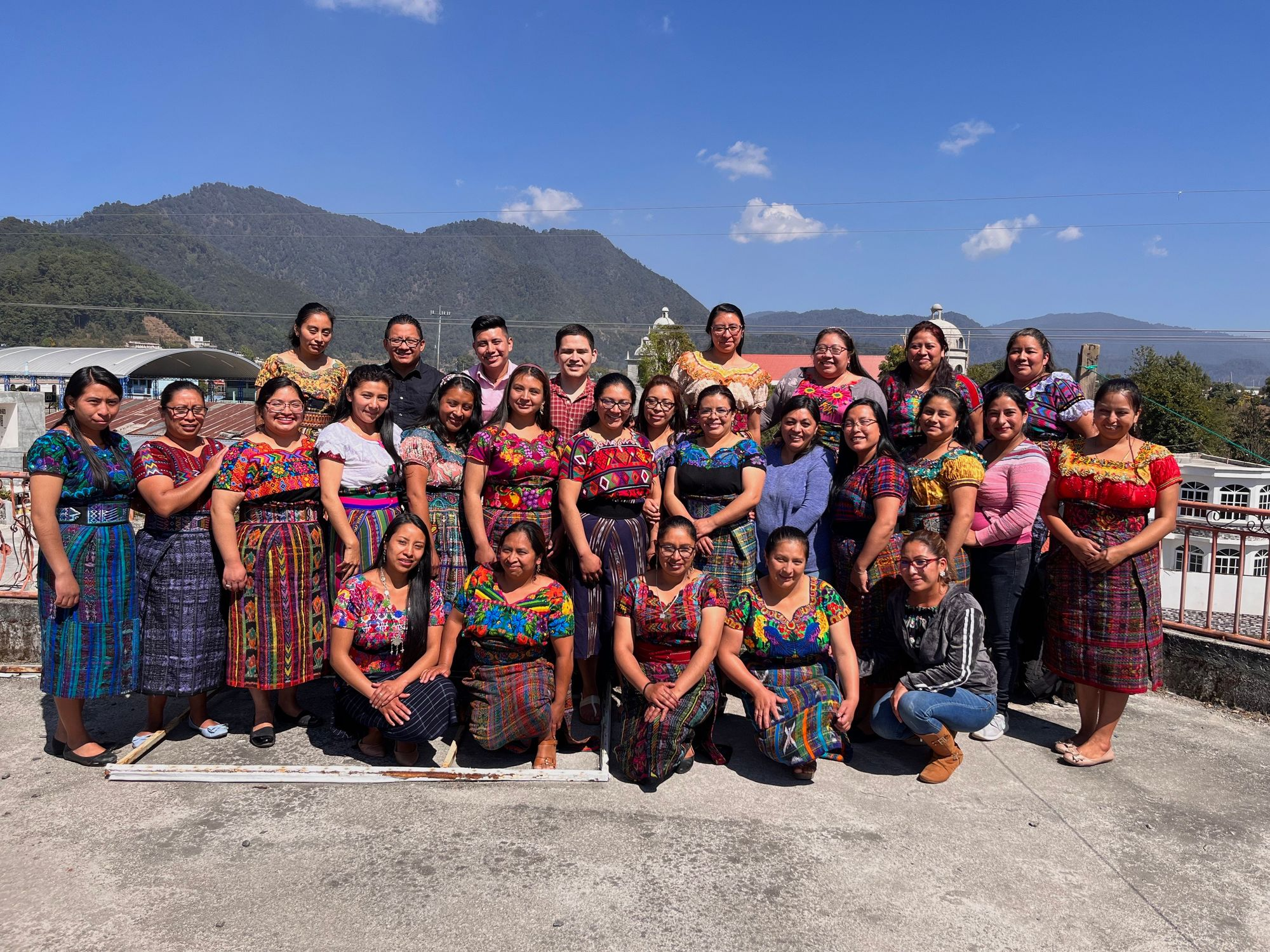
Caroline: For us, it’s very beautiful [ for the U.S. office staff to visit our Guatemala office ] every two years, because we meet the new Coordinators in their first year and then when we return, we see them in their third year and they are so much more confident, and they’re leading their programs—it’s a joy.
Telma: Yes. And I think something very important is building that confidence. In that first year of guidance and orientation there is a lot of deliberate focus on psychological safety. I say that workshops are very important, and they are, but making sure Coordinators feel safe enough to make mistakes, especially in their first year, makes a big difference. Because then they’re not afraid of failing, and they don’t think that failure is bad, or making mistakes means something is wrong.
So we give them that psychological safety, that empathy, and tell them, “Nothing is perfect. Everything is learned. We can always improve. If today wasn’t your best experience, tomorrow we’ll do better”—those positive messages help the team so much.
Today I actually had performance review meetings with two first-year Coordinators, and they emphasized how much it helped when they were told that they could do it, that if they failed it would just be for today, and tomorrow they could improve. That everyone makes mistakes. That message is so impactful in their lives because they don’t feel judged, they don’t feel scolded—they feel confident.
Caroline: So would you say that is the most impactful lesson or experience during the first year—giving them the confidence to fail, to grow, and to know they are accepted? That really is what makes our organization different.
Telma: Yes, it’s very beautiful. Honestly, this program changes many lives. And truly, what we as supervisors, or what I personally try to offer, is something that has already impacted me—and I want to give the same meaningful experience to the Community Coordinators.
I think about the positive changes I’ve seen in the team, and I can say that over these three years, I’ve seen how the Coordinators learn how to use a computer, how to create a form, how to make a presentation for teachers they’re working with.
I see transformed women—women who once thought they weren’t important, and now they know they are. In our society, it’s often frowned upon for a woman to play sports or participate in physical activities. But now I see women who came in timid, full of fear, and now they make decisions. They say, “I’m important too. I’ll make time for myself. I’ll play sports. I can do anything. I can drive a car.” Some now have their own motorcycle, their own car. It’s wonderful to see how that progress, that learning, that empowerment changes women—and through that, we can share that message with our communities: with a good attitude, perseverance, eagerness to learn, desire to do things well, desire to change—everything is real, everything is possible.
Caroline: Telma, it’s such a pleasure to hear you speak so passionately about our work. I think the final question would be: What do you want our donor community to know about the Leadership Academy and the changes it creates in our Coordinators and in our Communities?
Telma: I want to say that your support is not in vain. It isn’t for nothing. Everything bears fruit, or gives a positive result, no matter how small. Sometimes when we plant a seed, we think only one plant will grow, but it starts to flower beyond what we could have imagined. And it doesn’t just remain in one seed—it becomes fruit that is passed on to other women.
It’s not just about the empowerment of staff, but of the communities, too. We tell the mothers: “You can do it, too. Take your notebook, write it down.” They say, “But I don’t know how to write.” And we say, “We’ll help you.”
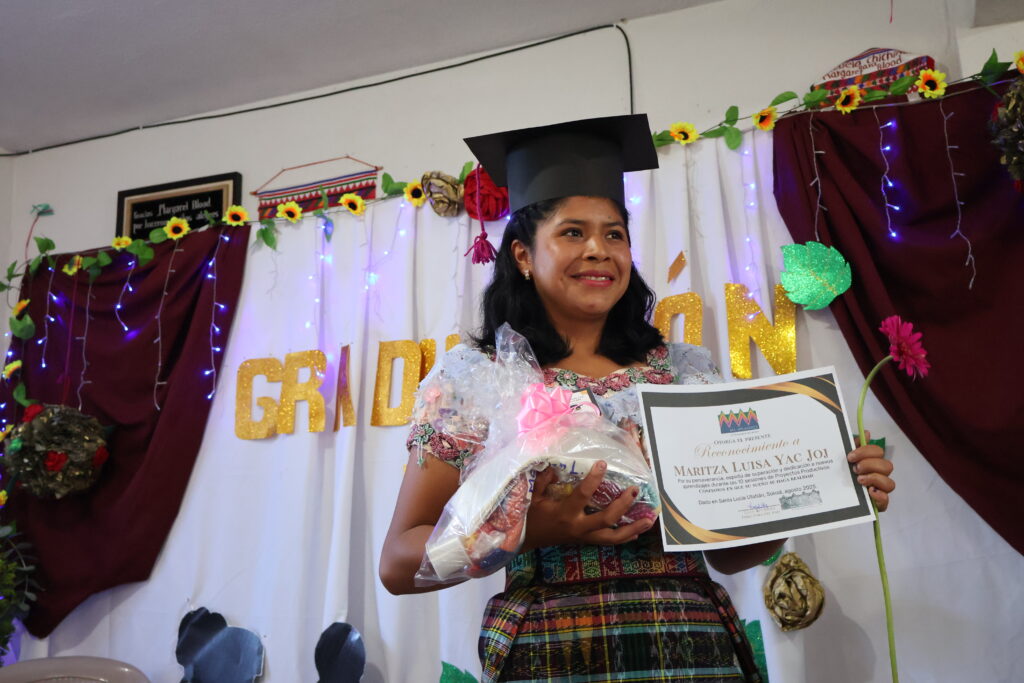
I think that in the Leadership Academy, over these three years, women graduate and recognize their potential. They see that their abilities can go further. It’s not just “I’m working,” but it goes farther than that: “I can study, I can apply for scholarships, I can show my knowledge.” They see themselves as different women—with new strategies, new skills, learning new words.
It changes the panorama of what’s possible for women who have the opportunity to be part of our team. We see women with new visions, new goals, new dreams. That’s how the Leadership Academy impacts their lives. It motivates them to say, “If I’ve finished high school, I can go to university.” We see hope. She imagines new futures, not just for herself but for her children. She envisions children with university degrees, with a master’s degree—she sees a wider horizon than she could have imagined before. And I believe this program is the success of our mission. And I love it.
We are so grateful to Telma for taking the time to speak with us during a very busy time of year for our programs in Guatemala. We are currently fundraising to hire six new Community Coordinators to work under Telma’s leadership in 2026. You can help them receive this life-changing opportunity by making a donation, or by starting your own fundraiser here.